
Little Caesar (1931)

Toronto Film Society presented Little Caesar (1931) on Saturday, August 8, 2026 as part of the Season 78 Virtual Film Buffs Screening Series, Programme 6.
Production Company: First National Pictures, Inc., Warner Bros. Pictures. Produced by: Hal B. Wallis, Darryl F. Zanuck. Directed: Mervyn LeRoy. Screenplay: Francis Edward Faragoh, Robert N. Lee, based on the novel by W. R. Burnett. Cinematography: Tony Gaudio. Music: Ernö Rapée. Film Editor: Ray Curtiss. Release Date: January 9, 1931. Running Time: 79 minutes.
Cast: Edward G. Robinson (Little Caesar, “Rico” Bandello), Douglas Fairbanks Jr. (Joe Massaro), Glenda Farrell (Olga Strassoff), William Collier Jr. (Tony Passa), Sidney Blackmer (Big Boy), Ralph Ince (Diamond Pete Montana), Thomas E. Jackson (Sergeant Flaherty), Stanley Fields (Sam Vittori), Maurice Black (Little Arnie Lorch), George E. Stone (Otero).
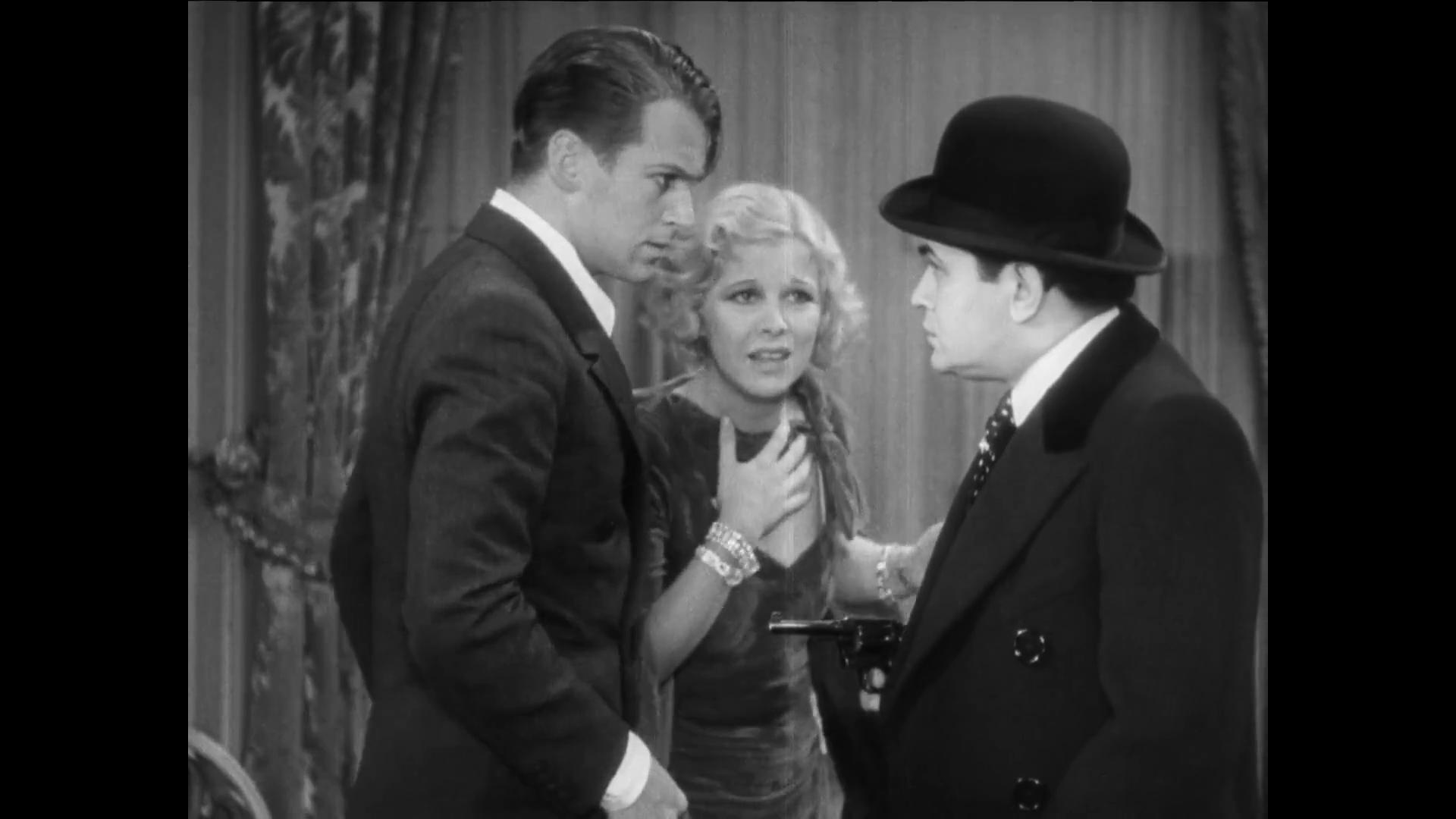
Little Caesar (1931) along with The Public Enemy (1931) and Scarface (1932) is a seminal pre-code gangster film that defined the Hollywood gangster genre and set the narrative trope for future crime and gangster films.
The story features Edward G. Robinson as Caesar Enrico “Rico” Bandello, the titular “Little Caesar.” He, along with his friend Joe Massara (Douglas Fairbanks Jr.), are two-bit hold-up thugs who move to Chicago for bigger and better things.
Already a cold-blooded murderer, the ambitious Rico joins a powerful Chicago gang while Joe becomes a dancer working in a night club; it’s there that Joe meets his love, the beautiful Olga (played with Glenda Farrell). Olga becomes his moral conscience and a beacon of decency, making Joe yearn for a peaceful and honest life. Although Joe wants to get out, Rico sets him straight and there’s no turning back; “You’re gonna be in on this, and you’ll like it.” Through sheer ruthlessness, Rico rises to become the top boss only to be undone by his own paranoid ego and wickedness. “All they that take the sword shall perish with the sword.” (Matthew 26:52)
The Great Depression kicked off in 1929; almost 13 million people were unemployed and those that had jobs endured pay cuts of up to 43%. Crime was flourishing and audiences were raw. Little Caesar depicts the gangster as a criminal with no redeeming values, matching much of the mores of American audiences at that time. Rico is depicted with virtually no redeeming qualities—vain, cold-hearted, motivated entirely by ego.
In the early 1930s, audiences had little tolerance for the violent turf wars caused by Prohibition; they were angry at the violence and wanted to see that crime doesn’t pay. It wasn’t until later films that crooks began to have a more sympathetic character: Humphrey Bogart in High Sierra (1941), John Garfield in Force of Evil (1948) and Alan Ladd in This Gun for Hire (1942) are a few examples.
Movies of the 1970’s gave bad guys an anti-hero persona with moral ambiguity. Some of the more notable are Robert Mitchum in The Friends of Eddie Coyle (1973), Warren Oates in Bring Me the Head of Alfredo Garcia (1974), and Steve McQueen in The Getaway (1972).
Starting his career on stage and with smaller parts in movies, Little Caesar was a star-making role for Edward G. Robinson. He went on to play other bad guys but also good guys, comedic roles and even a few westerns. Robinson performed in more than 100 films over a fifty-year career with his last and 101st film role in Soylent Green (1973). This sci-fi is set in the near-future of 2022; Robinson played the elderly academic, Sol Roth, the moral compass and emotional heart of the film (coming full circle from his heartless Rico character). In much despair, Robinson’s character chooses to die by the government euthanasia program (you know…MAIDs; kinda eerie, n’est pas?).
In real life, Robinson was terminally ill with bladder cancer during the filming, and he died 12 days after Soylent Green was released, making his death scene in the movie all that more poignant for audiences; a very different end than that of Rico the gangster.
Little Caesar is set during the Prohibition Era in the USA (January 1920 to December 1933). The Volstead Act prohibited the distillation and sale of alcohol in all US states at the time, with some exemptions for “medicinal” spirits and wine for religious use. Low alcohol beer (less than .5%) was also allowed but…well, what’s the point in that? Prohibition created huge opportunities for criminals and Canadians alike. Canada’s foray into prohibition wasn’t as long lasting or as severe; it was mostly enacted provincially and in some jurisdictions. Most Canadian prohibition statutes ended in the 1920s, however, Prince Edward Island kept prohibition until 1948! Bootlegging made some Canadians and the distilleries very, very wealthy: The Bronfman Family (who first established Distillers Corporation Limited and later acquired Seagram’s) mass produced whisky and ran a massive operation from Montreal to Windsor; Harry Hatch ran Hiram Walker-Goodherham distillery (near Windsor) and supplied their top client, Chicago gangster Al Capone, who smuggled thousands of cases of Canadian Club via a route from Windsor to Detroit.
It’s estimated that 75% to 80% of all illegal alcohol was smuggled through the Windsor-Detroit area. Then there was Saint-Pierre and Miquelon, the French-owned island off the coast of Newfoundland, that became a massive, legal concrete warehouse where Al Capone’s syndicates loaded Canadian booze onto their ships. Television shows, like Boardwalk Empire and Peaky Blinders, have story lines involving Prohibition and alcohol smuggling that are worth watching. Canada-US trade at its finest.
Film Notes by Bruce Whittaker
You may also like...


-

Support Classic Cinema: Toronto Film Society Sponsorship Opportunities
Toronto Film Society Corporate Sponsorship 2026/27 About TFS Founded in 1948, the Toronto Film Society is one of Canada’s oldest film appreciation groups. It was originally formed to meet...
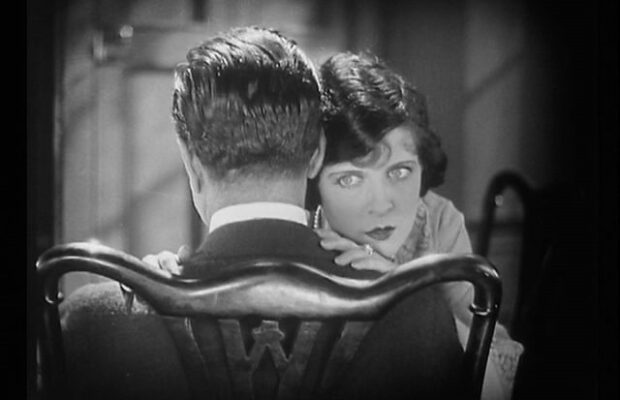
Virtual Saturday Night at the Movies
Toronto Film Society will be screening Alfred Hitchcock’s Lady Windermere’s Fan (1925) straight to your home on Tuesday, September 29, 2026 at 7:15 p.m. (ET)! Directed by Ernst Lubitsch,...


